
PAIN IS COMPLEX, BUT YOUR REHAB DOESN’T HAVE TO BE
ACUPUNCTURE
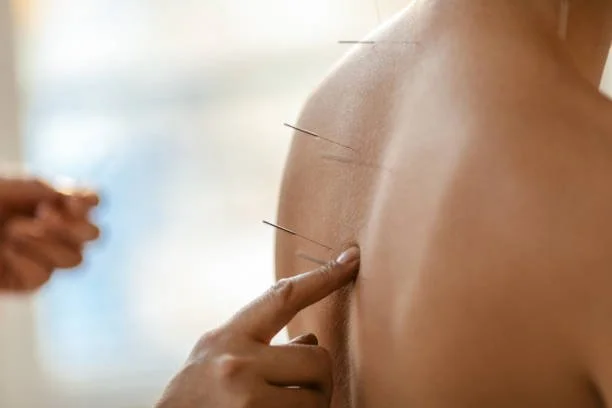
In addition to our Physiotherapy treatment, we offer a range of alternative / complementary therapy treatments at the clinic including acupuncture.
Acupuncture can enhance your healing processes, provide targeted muscle release and contribute to comprehensive pain relief. It is not just magic and mysticism, there is some real sense behind all the acupuncture talk.
Whether you are struggling with persisting and chronic pain in an individual body part or widespread across several joints, needling can help to down-regulate an overwhelmed pain processing system and contribute to that comfort that you desire.
Acupuncture is included within our Physiotherapy Treatment with Oliver Graham.
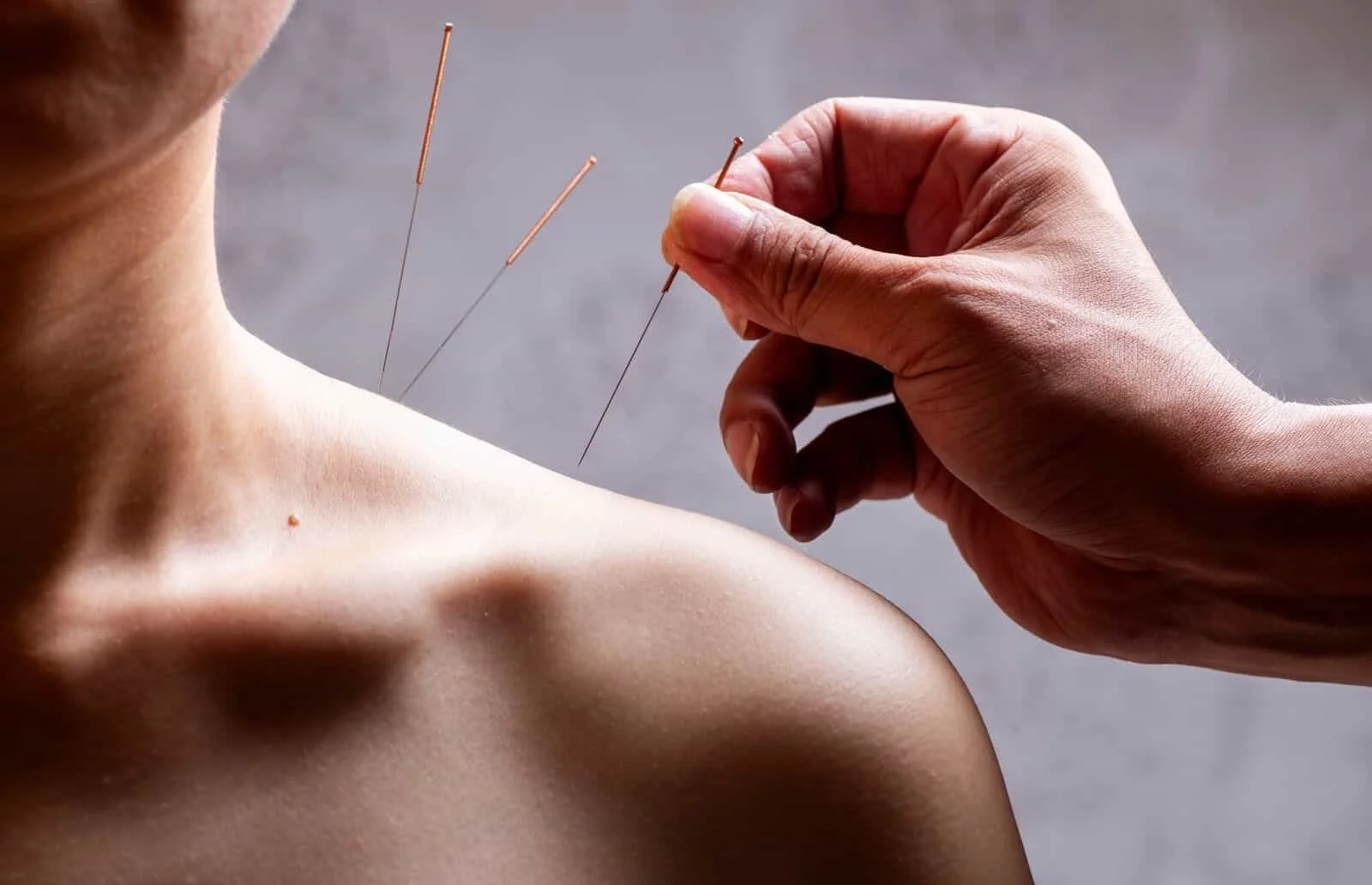
It’s not uncommon for people to be a bit skeptical when their therapist mentions acupuncture - We often hear things like, ‘I don’t believe in it’ or ‘That doesn’t work’. However, when asked what they actually know about how it works… usually, they’re not too sure.
Here’s the thing: the way we practice acupuncture is modern, science-based, and focused on helping the body heal itself. It’s not underpinned by any mysticism or magic; it’s about encouraging recovery, managing pain, and supporting your body in a really practical way.
So if you’ve ever been curious, or a little skeptical, about acupuncture then we invite you to entertain the idea to see for yourself how it can support your body, your recovery, and your performance.
FIT4FUNCTION Approach to Acupuncture
why is acupuncture valuable for treating pain?
It is commonly used to help manage a wide range of musculoskeletal problems, including low back pain, arthritic pain, headaches, neck pain, tendon pain, and sports injuries.
Acupuncture and dry needling involve the use of very fine needles inserted into specific points in the body. These techniques stimulate the nervous system, encouraging the release of the body’s own natural pain-relieving chemicals, including endogenous opioids and serotonin. As a result, many people report reduced pain, improved sleep, decreased muscle tension, and an overall sense of wellbeing following treatment.
Although rooted in traditional Chinese medicine, acupuncture and dry needling are now widely used within modern Western healthcare for pain relief and rehabilitation. Western medical acupuncture uses the same fine needles, but is guided by current knowledge of anatomy, physiology, and neuroscience.
Acupuncture is recognised within evidence-based practice and is included in NICE guidelines for the management of chronic pain, which recommend that a course of up to 10 sessions may be considered for appropriate patients (NICE, 2021).
At FIT4FUNCTION, acupuncture is not used in isolation unless clinically appropriate. Where helpful, it is integrated alongside strength and conditioning, load management, and targeted rehabilitation so that pain relief is paired with long-term improvement in function and performance.
why consider acupuncture
-
When an acupuncture needle is inserted, it creates a very small, controlled stimulus beneath the skin. This triggers the body’s natural healing response, increasing local blood flow and bringing oxygen, nutrients, and immune cells to the area while helping remove waste products. This response can support tissue recovery and reduce pain in both new and longer-standing injuries.
-
Many musculoskeletal problems are linked to protective muscle tension. Acupuncture and dry needling allow highly targeted access to deeper muscle layers that are difficult to influence with manual therapy alone. By accurately selecting specific muscles and trigger points, the technique can help release excessive tone, reduce tightness, and restore more comfortable movement. A visible “twitch” response can occur but is not essential for the treatment to be effective.
-
Acupuncture also works at the level of the nervous system. When needles are placed, local nerves send signals to the spinal cord and brain that help modulate how pain is processed. This can “turn down the volume” of pain, even in conditions where the pain has been present for a long time. For this reason, needles are sometimes placed away from the primary painful area to achieve a stronger overall effect.
what to expect from your first appointment
-
Your therapist begins with a focused consultation to understand your goals, concerns, medical history, and expectations. Contraindications and precautions are discussed, and together you decide whether acupuncture is an appropriate treatment option.
-
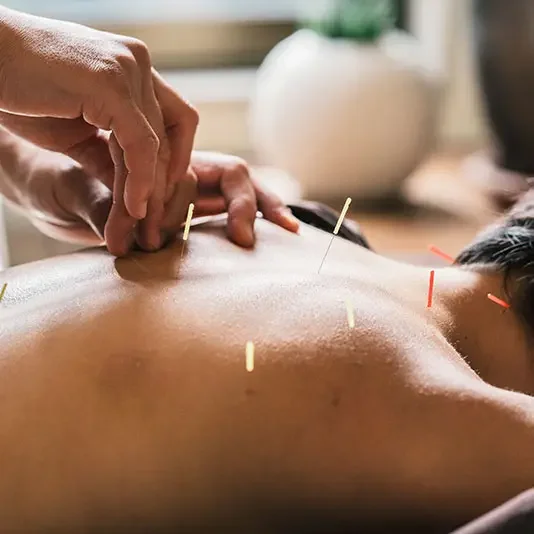
A personalised treatment plan is explained, including which areas will be treated and why. Your therapist will typically use between 2 and 16 fine needles, which may remain in place for up to 25 minutes. Needles may occasionally be gently stimulated.
Performance-based measures such as strength, power, endurance, and movement quality are used to benchmark where you are now and to guide precise programming. The outcome is a clear understanding of what to change, how to load, and how to progress safely toward higher performance.
-
Insertion should not be painful; most people feel only a brief pin-prick or mild pressure. Once the needles are in place, you may notice a light ache, warmth, heaviness, or numb sensation which are all normal responses.
-
After needle removal, your therapist may continue with other treatments or prescribe exercises to support long-term results. Everything is explained and agreed with you throughout, making the session a collaborative, calm, and tailored approach to your goals.
FAQs
is acupuncture painful?
1
As very fine needling are being inserted, some discomfort can be felt. This is typically very mild in nature and the benefits of the treatment will often outweigh any concerns about this.
are there any risks or side effects?
2
It is commonly reported that you may have some light-headedness immediately after the treatment. This usually subsided within a few minutes. You will commonly also have a good nights sleep after the treatment.
does it feel like an injection?
3
No. Acupuncture does not feel like an injection. The needles are extremely fine and most people feel only a brief pin-prick or mild pressure. You may notice a slight ache or heavy sensation around the area, but it should not be painful. Your therapist will always work within your comfort levels.
is acupuncture appropriate for me?
4
Our acupuncture specialist Oliver Graham will indicate to you if they believe that Acupuncture will be a beneficial treatment for you. With this, they will also ask you a series of questions to rule out any contraindications and you will also be asked to give consent to ensure you understand why acupuncture is beneficial and ensure best practice is followed.
Book an Appointment.
Booking your appointment is simple, and our team is ready to provide the attention, care, and expertise you deserve. Let’s get started—pick a time that works for you.